The Eames Show Us How to Live Together
By Emma Ritson
Charles and Ray Eames, celebrated American designers of the 20th century, not only left an indelible mark on the world of design but also forged a unique and iconic lifestyle in their own home. In their quest for simplicity, the Eameses lived well, and they did it with intention and style. Their famous home, Case Study House No 8—a residence that embodied their vision of functionality, aesthetics, and a profound appreciation for the quotidian—shows us that designing a house is about living simply and well.
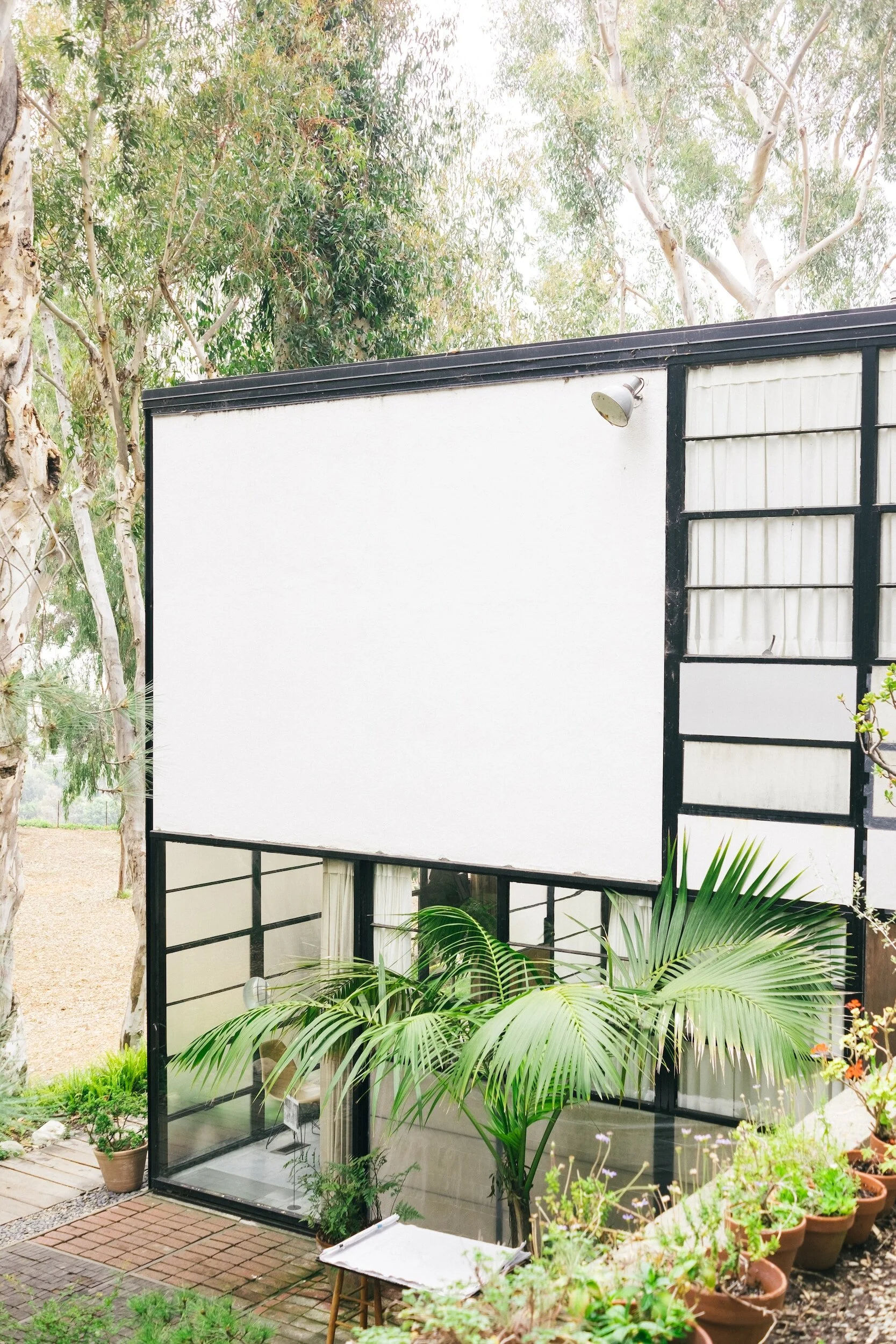
Case Study House No. 8 in California
Reverence for the ordinary
The Eameses approached life with a deep sense of curiosity and a reverence for the ordinary. Their daily rituals were a celebration of the creative spirit and a reflection of their belief that the design should enhance the quality of life. The thought processes behind their designs illuminate their belief that the simplest aspects of our environment can be improved to make our daily lives more joyful.
“We want to make the best for the most for the least,” Charles Eames once said, inspiring a generation of architects to pare it all back and focus on the art of living. Their oeuvre of work is an enduring example of this simple idea—of how form meets function and elevates small quotidian pleasures to create lasting joy. In the Eames world, design is about living and not merely aesthetics.
Case Study House No. 8
Case Study House No. 8 was completed in 1949 as part of the Case Study Houses program. Located in Pacific Palisades, California, the structure is an exemplar of mid-century modern architecture and a testament to the Eameses' commitment to living simply and authentically. The house consists of two rectangular structures made primarily of glass and steel, seamlessly integrated into the natural surroundings. The use of industrial materials reflected not only the Eameses' design ethos but also their resourcefulness in the post-war era.
The ground floor of the Eames House served as their design studio, a hub of creative energy where they conceptualized and executed their groundbreaking projects. Upstairs, the living quarters featured an open layout, with flexible spaces that could be adapted to suit their evolving needs. Ray even designed the space with paintings hung across the ceiling so you could lie down and gaze up at the art.
Ritual in the day
The interior of the Eames House was a canvas for their eclectic tastes and personal artifacts, objects that gave their space a sense of ritual and meaning. Charles and Ray surrounded themselves with these carefully curated objects acquired during their travels, along with folk art, books, and other cherished items. The living space was a dynamic mix of colors, textures, and patterns, creating an elevated environment that was both stimulating and comforting.

The Eames inspired many in their time.
In their daily lives, Charles and Ray embraced a rhythm that balanced work and leisure, creativity and contemplation. “Take your pleasure seriously” they once said, highlighting their determination to value the sacred and the rare.
Entertaining pleasure
The Eameses were known for their welcoming hospitality, frequently hosting gatherings and discussions that brought together intellectuals, artists, and designers. The house became a hub for creative exchange and collaboration, reflecting the couple's belief in the power of shared ideas and perspectives.
The couple's rituals were deeply intertwined with their surroundings. The iconic Eames Lounge Chair and Ottoman, designed by Charles and Ray in 1956, became a symbol of their commitment to comfort and craftsmanship. Positioned strategically in their living space, these pieces were not just furniture but integral components of their daily habits — a place for reading, conversation, and reflection.
Food mattered
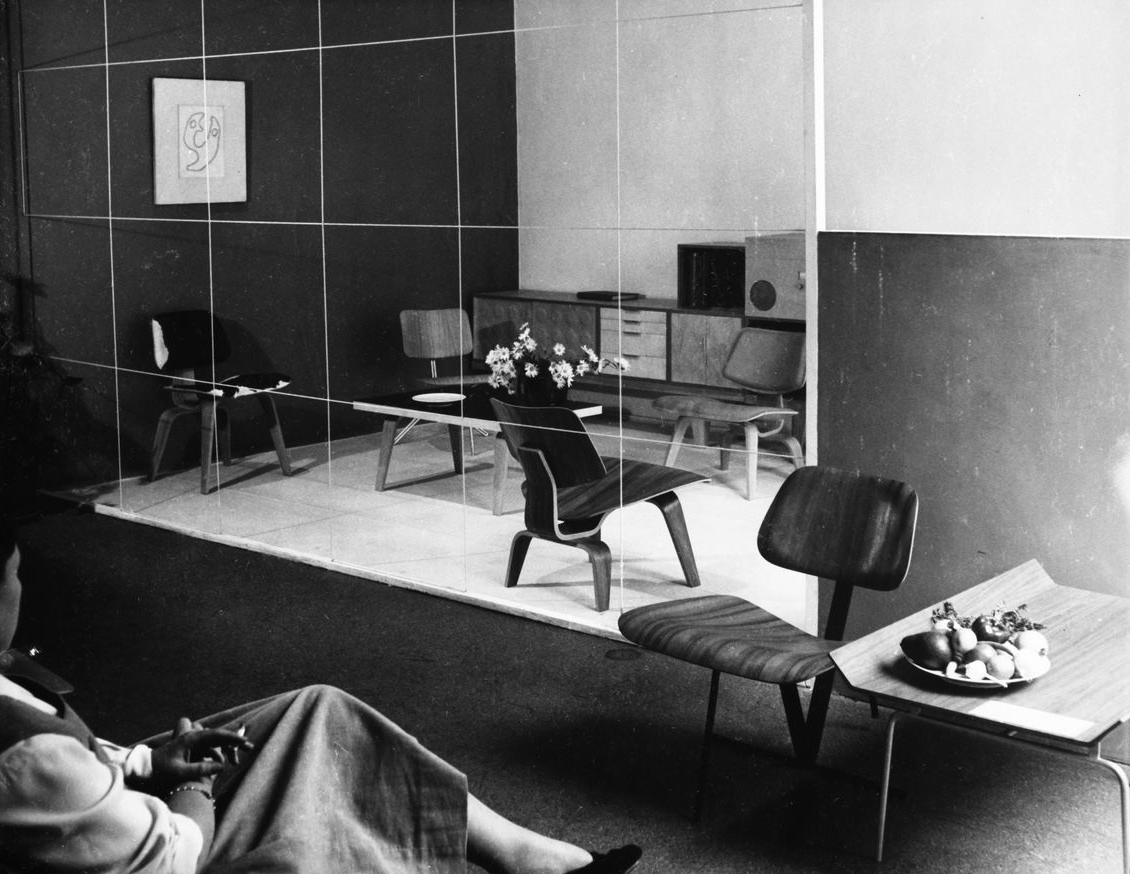
The Eameses' approach to dining was equally intentional. Their simple meals were often prepared in the small, efficient kitchen, and they frequently enjoyed them outdoors, connecting with the natural beauty surrounding their home. The expansive meadow adjacent to the Eames House served as a picturesque backdrop for moments of repose and inspiration.
“Food was a serious business at the Eames Office. It was a point of honour to find a specialty provider for cheese, breads, croissants, cookies, vegetables or fruits. So when someone was dropping off film or picking up supplies, they would also stop at nearby food shops,” their granddaughter Lucia Atwood recalled in an article for Vitra.
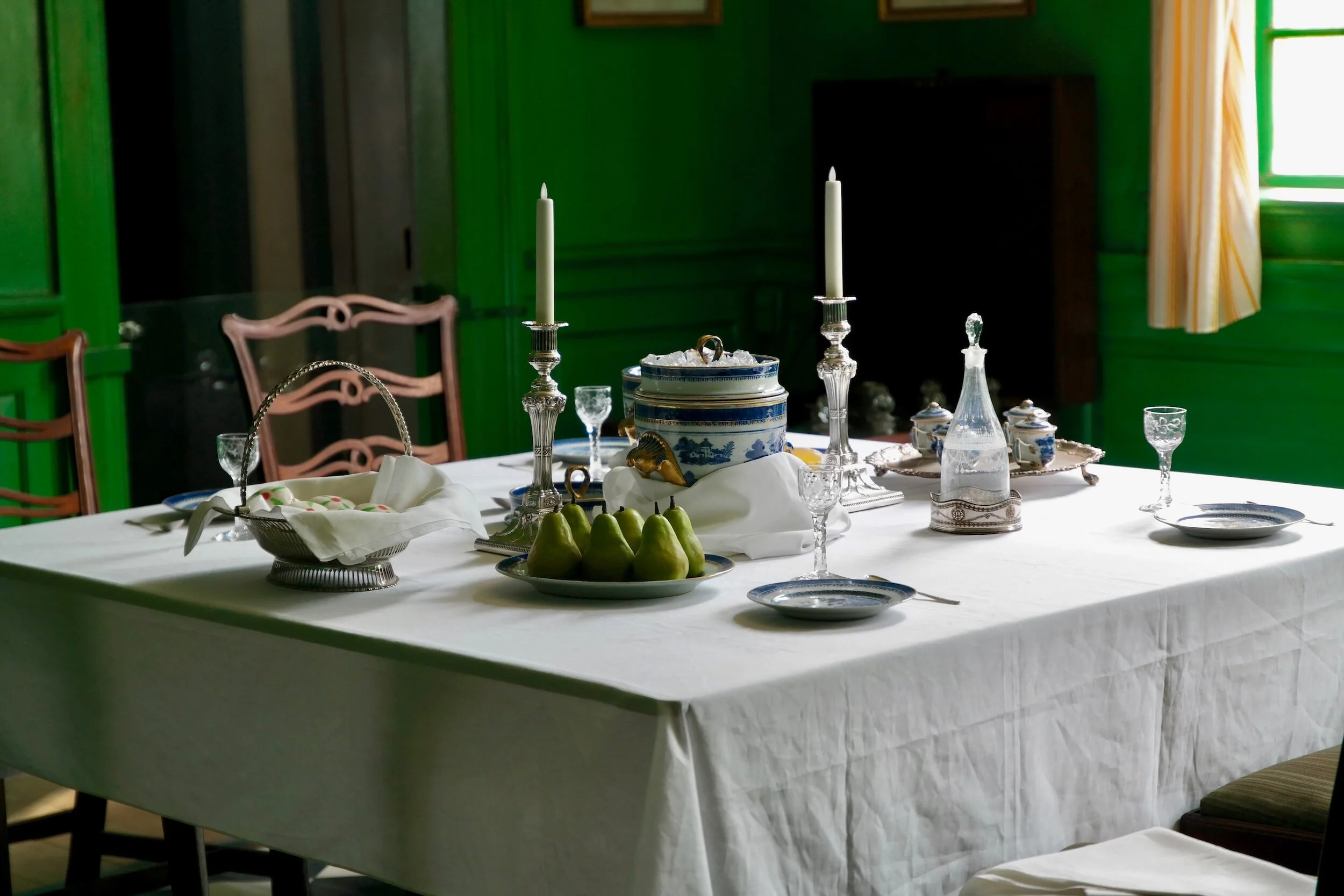
“Meals with Charles and Ray were always delicious, beautifully presented with floral and herbal touches, and fun! Given Ray's and my love of chocolate, it was often featured for dessert or as a post-dance performance snack – in the shape of cookies, cake or simply as candy.“
The famous mantra coined by Charles and Ray Eames, "take your pleasure seriously," encapsulates the essence of their distinctive lifestyle. The thoughtful approach to daily meals, from breakfast to dinner, and their belief in the daily magic of habit, show us that living is an art, and that we can learn to do it with more intention. Indeed, the Eames House, with its timeless design and thoughtful curation, stands as a testament to their enduring legacy and their vision of a life well-lived.
By Poppy Abrams
